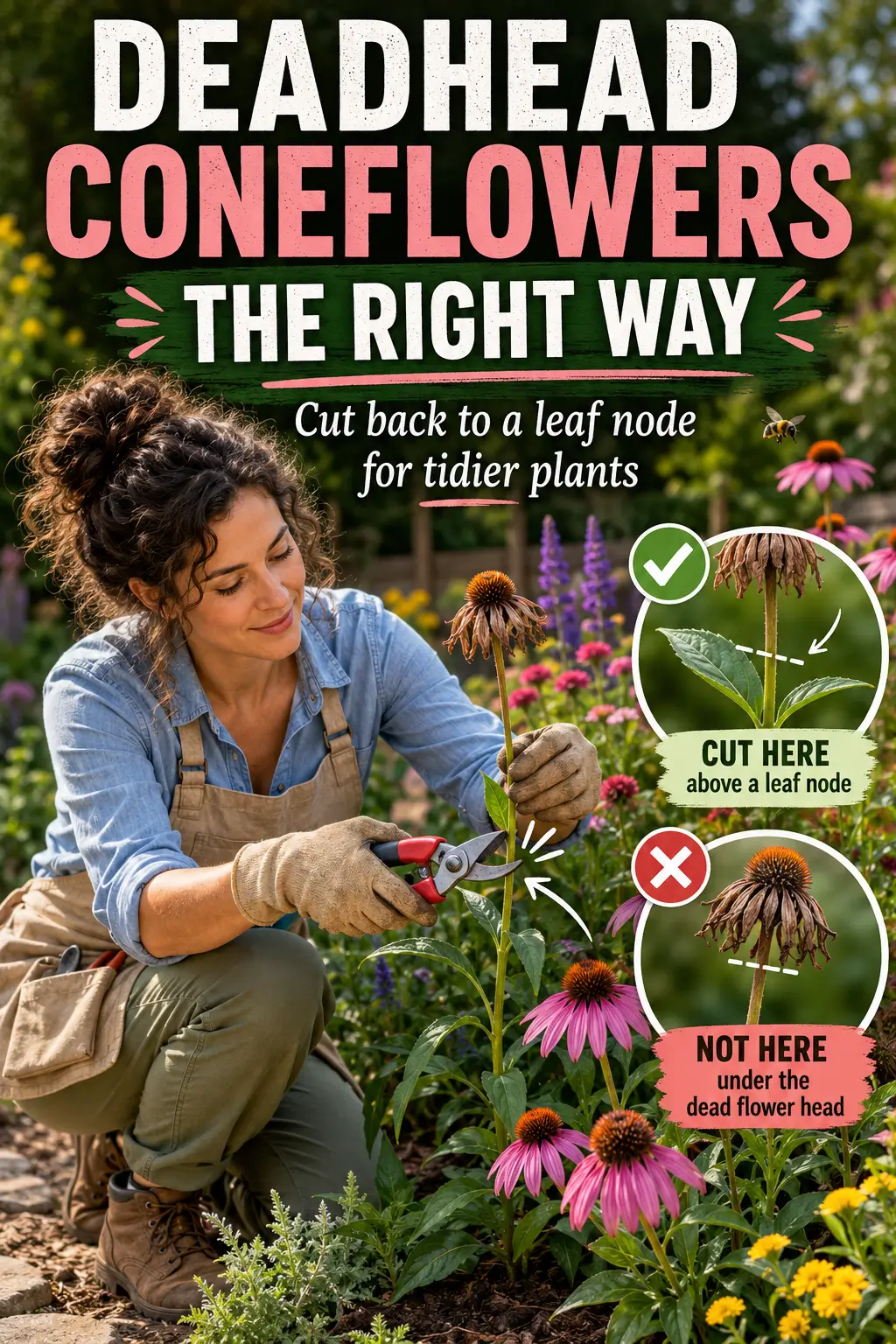
Coneflowers are some of the easiest perennial flowers to grow, but they can start to look tired once the first flush of blooms fades. The petals droop, the cone turns dark, and the plant may look messy in the middle of summer. That is where deadheading can help.
Deadheading coneflowers means removing faded flowers so the plant can put more energy into healthy growth and, in some cases, more flower buds. The important part is where you cut. Instead of snipping randomly under the old flower head, cut the stem back to a healthy leaf node, side bud, or branching point.
Deadheading may encourage more blooms, but it does not guarantee a heavy rebloom on every plant. Results depend on the coneflower variety, weather, soil, watering, plant age, and how much growing season is left. Still, it is a simple task that can keep coneflowers looking cleaner and more productive.
Why This Idea Works
Coneflowers, also called Echinacea, produce daisy-like flowers with raised cone centers. After a bloom fades, the plant may begin putting energy into seed production. Removing spent flowers can redirect some of that energy toward new buds, stronger stems, or tidier growth.
The key is to cut the spent bloom stem back to a natural growth point. A healthy leaf node or side shoot is where the plant can branch and continue growing. If you only cut off the dried flower head at the top, you may leave behind a long bare stem that looks awkward.
Deadheading is most useful during the active blooming season. Later in the year, many gardeners stop deadheading and leave some seed heads for birds, especially goldfinches, and for winter texture in the garden.
What You Need
You only need a few simple tools:
- Clean hand pruners or garden snips
- Gardening gloves
- Small bucket or basket for removed flower heads
- Rubbing alcohol or disinfecting wipes for cleaning pruners
- Optional: plant ties or stakes if stems are leaning
Use sharp, clean pruners so you make a neat cut without crushing the stem.
Best Time to Deadhead Coneflowers
Deadhead coneflowers when individual blooms are clearly past their best. This is usually after the petals fade, droop, dry, or fall away.
Good times to deadhead include:
- After the first flush of flowers begins to fade
- Every few days during peak blooming season
- After rain or wind damages flowers
- When the plant looks messy but still has healthy buds forming
Avoid removing every flower late in the season if you want seed heads for birds or winter interest. By late summer into fall, you can leave some mature cones in place.
Signs of a Spent Coneflower Bloom
A coneflower is ready to deadhead when you see these signs:
- Petals are faded, brown, dry, or curled downward
- Petals have fallen off and only the cone remains
- The cone is darkening and drying
- The stem looks finished and has no fresh bloom at the top
- The flower no longer attracts many pollinators
Do not remove fresh flowers that still have bright petals and active pollinator visits. Coneflowers are valuable for bees, butterflies, and other garden insects while blooming.
Step-by-Step Instructions
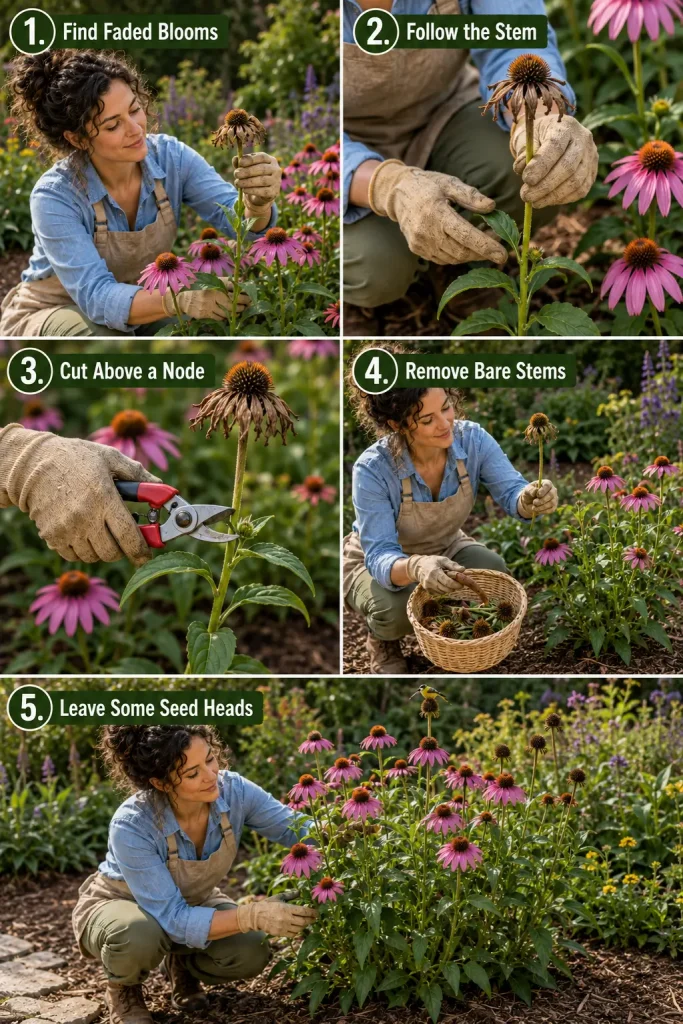
1. Look for Faded Flowers
Start by checking the plant closely. Coneflowers often have fresh blooms, fading blooms, and new buds on the same plant at the same time.
Choose only the flowers that are clearly finished. Leave open blooms and young buds alone.
2. Follow the Stem Down
Do not cut directly under the old flower head. Instead, follow the stem downward with your eyes until you find a healthy leaf node, side bud, or branching point.
This matters because cutting at a growth point gives the plant a better chance to branch naturally.
3. Cut Above a Leaf Node or Side Bud
Use clean pruners to cut the stem just above the healthy leaf node, side bud, or branch junction. A good cut is usually about 1/4 inch above the node.
Make a clean angled cut if possible. Avoid tearing the stem.
4. Remove Long Bare Stems
If the flower stem is long and has no side buds near the top, cut farther down to a lower leaf node or branching point. This keeps the plant from looking like it has stiff empty sticks.
The goal is not just to remove the old flower. The goal is to shape the plant neatly while respecting its natural growth habit.
5. Collect and Remove Debris
Place spent blooms in a bucket or garden basket. Healthy flower heads can go into compost if they are not diseased.
If you see powdery mildew, leaf spots, or pest damage, do not compost that material unless your compost pile gets hot enough to break down disease problems. It is safer to discard diseased material away from the garden.
6. Water During Dry Weather
Deadheading works best when the plant is not stressed. If the soil is very dry, water deeply at the base of the plant.
Coneflowers are fairly drought tolerant once established, but they may bloom better with occasional deep watering during long dry spells.
7. Stop Deadheading Some Flowers Later in the Season
In late summer or fall, leave some seed heads in place. The dark cones add winter interest and can provide food for birds.
You do not have to choose all or nothing. You can deadhead the messiest flowers and leave some strong seed heads standing.
Where Exactly Should You Cut?
The best cut is made above a healthy leaf node, side bud, or branching point.
A leaf node is the spot on the stem where leaves grow out. Sometimes you will see a small new shoot or side bud there. That is a better cutting point than the empty space directly below the flower.
Avoid these cutting mistakes:
- Cutting only the flower head off and leaving a long bare stem
- Cutting too low and removing too much healthy growth
- Cutting into a new bud by accident
- Pulling or snapping stems by hand
- Cutting during extreme heat when the plant is already stressed
A careful cut helps the plant look natural and tidy.
Will Deadheading Make Coneflowers Bloom Again?
Deadheading can encourage more flowers, especially on some modern coneflower varieties and healthy plants growing in good conditions. However, it does not guarantee a big second bloom.
Reblooming depends on:
- Coneflower variety
- Length of the growing season
- Sunlight
- Soil quality
- Moisture levels
- Plant maturity
- Heat stress
- Overall plant health
Some coneflowers rebloom nicely after deadheading. Others may only produce a few extra flowers or simply look tidier. That is still useful, especially in a visible flower border.
When to Leave Coneflower Seed Heads
Leave seed heads in place when you want a more natural garden look or wildlife value.
Seed heads are worth keeping because they can:
- Feed birds in late summer, fall, and winter
- Add structure to winter gardens
- Allow some self-seeding in suitable areas
- Support a more natural perennial bed
Many gardeners deadhead early in the bloom season, then stop later so the last flowers can mature into seed heads.
Care Tips
Grow coneflowers in full sun for the strongest flowering. They can tolerate some light shade, but too much shade may lead to fewer flowers and floppier stems.
Use well-draining soil. Coneflowers generally do not like staying soggy, especially in winter.
Water new plants regularly during their first season. Established plants are more drought tolerant, but they still benefit from deep watering during long dry periods.
Avoid too much fertilizer. Rich, overfed soil can sometimes lead to leafy growth and weaker stems instead of better flowers.
Divide crowded clumps when they become weak in the center or stop blooming well. This is usually needed only every few years, depending on the plant.
Common Mistakes to Avoid
The biggest mistake is cutting the spent flower off right below the cone and leaving a long empty stem. This can make the plant look more awkward instead of tidier.
Another mistake is expecting deadheading to force every coneflower to rebloom heavily. Some varieties respond better than others, and weather plays a big role.
Do not remove all seed heads at the end of the season if you enjoy birds in the garden. Leaving some cones gives wildlife a natural food source.
Avoid deadheading with dirty pruners, especially if you are moving between plants. Clean tools help reduce the spread of disease.
Do not cut back the entire plant too early if it still has healthy leaves and buds. Remove only the spent flower stems unless the plant is diseased or fully finished for the season.
FAQ
What does deadheading coneflowers mean?
Deadheading coneflowers means removing faded or spent flowers. The best method is to cut the flower stem back to a healthy leaf node, side bud, or branching point.
Where do I cut dead coneflowers?
Follow the spent flower stem downward and cut just above a healthy leaf node or side shoot. Avoid cutting only the cone off at the very top.
Will coneflowers rebloom after deadheading?
They may rebloom, but it is not guaranteed. Some varieties produce more flowers after deadheading, while others only look tidier. Sun, water, plant health, and season length all matter.
Should I deadhead all coneflowers?
You can deadhead during the main blooming season, but it is helpful to leave some seed heads later in the year for birds and winter interest.
When should I stop deadheading coneflowers?
Many gardeners stop deadheading in late summer or early fall so the final blooms can form seed heads.
Can I use scissors instead of pruners?
You can use sharp garden scissors or snips if the stems are not too thick. Clean cuts are better than tearing or snapping the stem.
Should I cut coneflowers to the ground after blooming?
Not right away. If the plant still has healthy leaves, leave the foliage in place so it can continue feeding the roots. Full cutback is usually done later when the plant has gone dormant or looks fully finished.
Are coneflower seed heads good for birds?
Yes, seed heads can provide food for birds, especially later in the season. They also add natural winter texture to the garden.
Conclusion
Deadheading coneflowers is a simple way to keep plants looking cleaner and may encourage more blooms in the right conditions. The key is to cut the spent flower stem back to a healthy leaf node, side bud, or branching point instead of snipping randomly under the old flower.
Deadheading is most useful during the main bloom season, but you do not need to remove every flower. Leaving some seed heads later in the year supports birds and adds winter interest.
With clean pruners, careful cuts, and realistic expectations, your coneflowers can stay healthier, tidier, and more attractive through the growing season.
You May Also Like
 What Herbs Can Be Planted Together? A Practical Companion Planting Guide
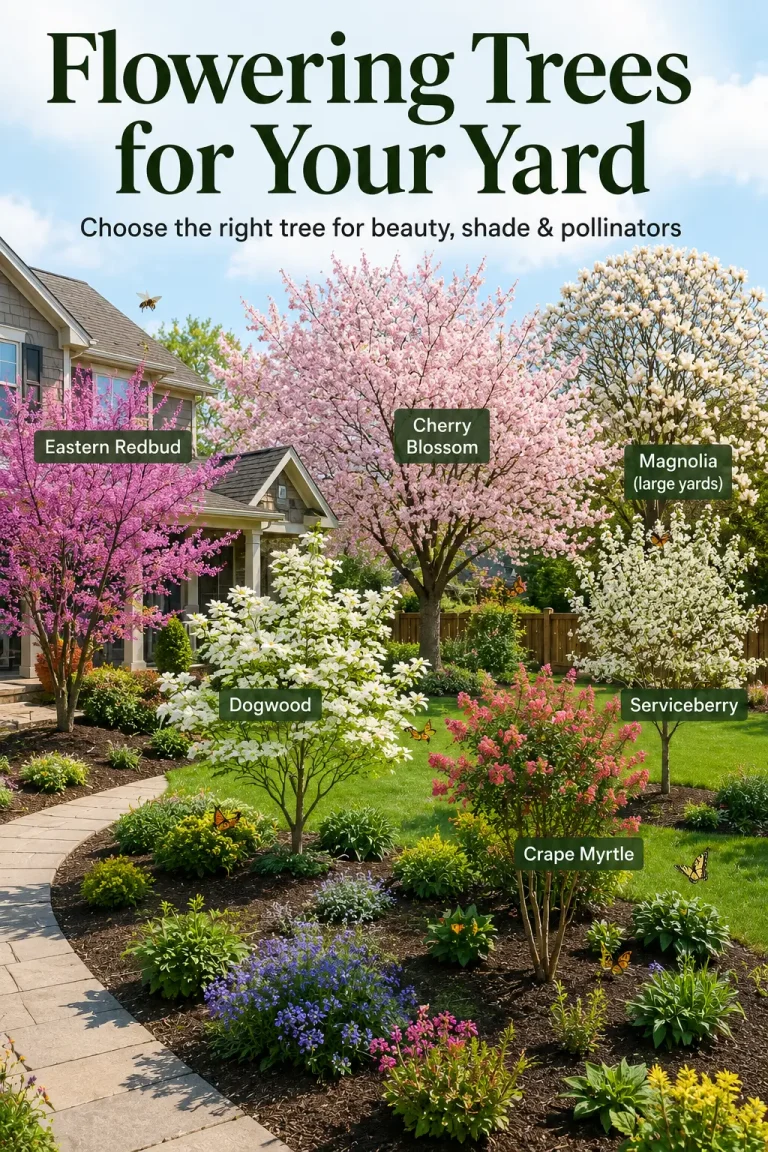 Flowering Trees That Beautify Your Yard: How to Choose the Right One for Your Space
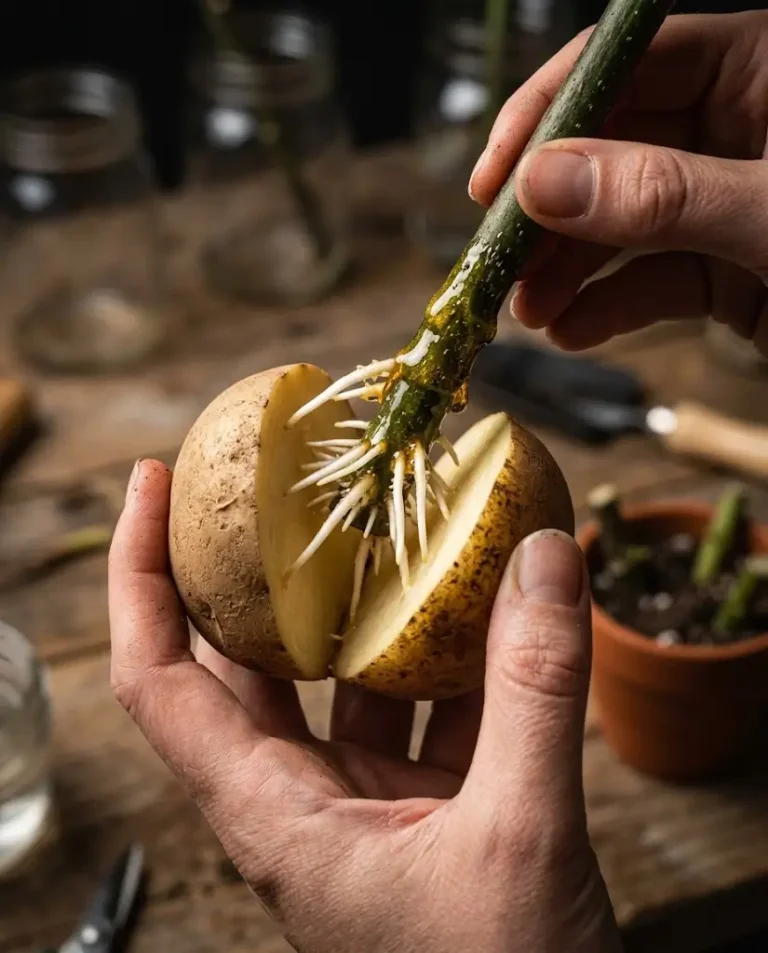 Why Master Gardeners Are Propagating Cuttings in a Raw Potato and Honey
 Why Master Gardeners Are Using Milk and Iodine to Resurrect Dead Houseplants
 Do Matchsticks Kill Fungus Gnats? What Actually Works for Houseplants
 What Can You Still Plant in July? Smart Crops for Empty Garden Beds