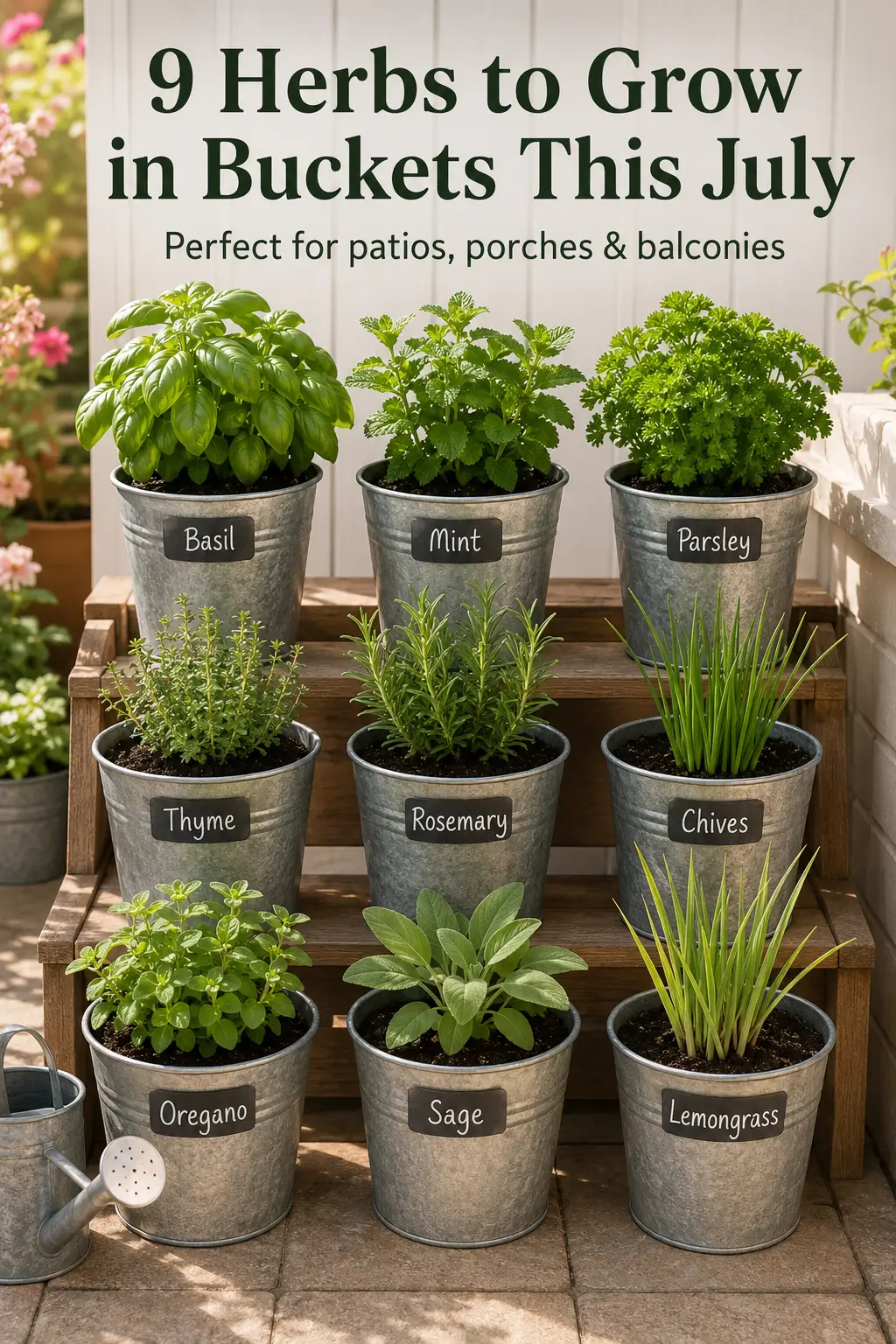
You do not need a large garden to grow fresh herbs in summer. A few simple buckets or containers can turn a patio, balcony, porch, deck, or small backyard corner into a productive herb garden.
July is a good time to grow many useful herbs because the weather is warm, days are long, and many herbs respond well to regular harvesting. Heat-loving herbs like basil, rosemary, oregano, sage, thyme, and lemongrass can grow well in containers when they have enough sun, good drainage, and consistent watering. Other herbs like parsley, chives, and mint can also be useful in a summer bucket garden with the right care.
The key is setting up the containers correctly. Herbs do not like sitting in soggy soil, and small containers can dry out fast in summer heat. With drainage holes, the right potting mix, and smart placement, buckets can be a simple and affordable way to grow fresh herbs close to your kitchen.
Why Growing Herbs in Buckets Works
Bucket herb gardens are practical because they are flexible. You can move the containers, place them near a sunny door, group them on a patio, or keep them on a balcony where they are easy to water and harvest.
Growing herbs in buckets also helps control aggressive plants. Mint, for example, spreads quickly in garden beds and can take over if planted directly in the ground. In a bucket, it stays contained and easier to manage.
Containers are also helpful for gardeners with poor soil, limited space, rented homes, or patios without planting beds. Instead of digging into the ground, you can create a small herb garden with buckets, potting mix, and a few starter plants.
Another benefit is convenience. When herbs are close to the kitchen, you are more likely to use them. Fresh basil, parsley, chives, rosemary, thyme, oregano, sage, mint, and lemongrass can be clipped as needed for meals, tea, sauces, salads, and summer drinks.
What You Need
To grow herbs in buckets, you will need:
- 9 buckets or containers
- Drainage holes
- Quality potting mix
- Compost, optional
- Herb seedlings or seeds
- Small trowel
- Watering can or hose with gentle spray
- Plant labels
- Mulch, optional
- Saucer trays, optional for patios
- Slow-release organic fertilizer, optional
A good bucket size for most herbs is 2 to 5 gallons. Smaller herbs like chives, thyme, and parsley can grow in smaller containers, while larger herbs like rosemary and lemongrass need more room.
Lemongrass grows large, so it does best in a bigger bucket, around 5 gallons or more. Mint also appreciates a roomy container because it spreads quickly.
Drainage Is the Most Important Step
Do not grow herbs in a bucket with no drainage holes. Water needs a way to escape, or the roots can rot.
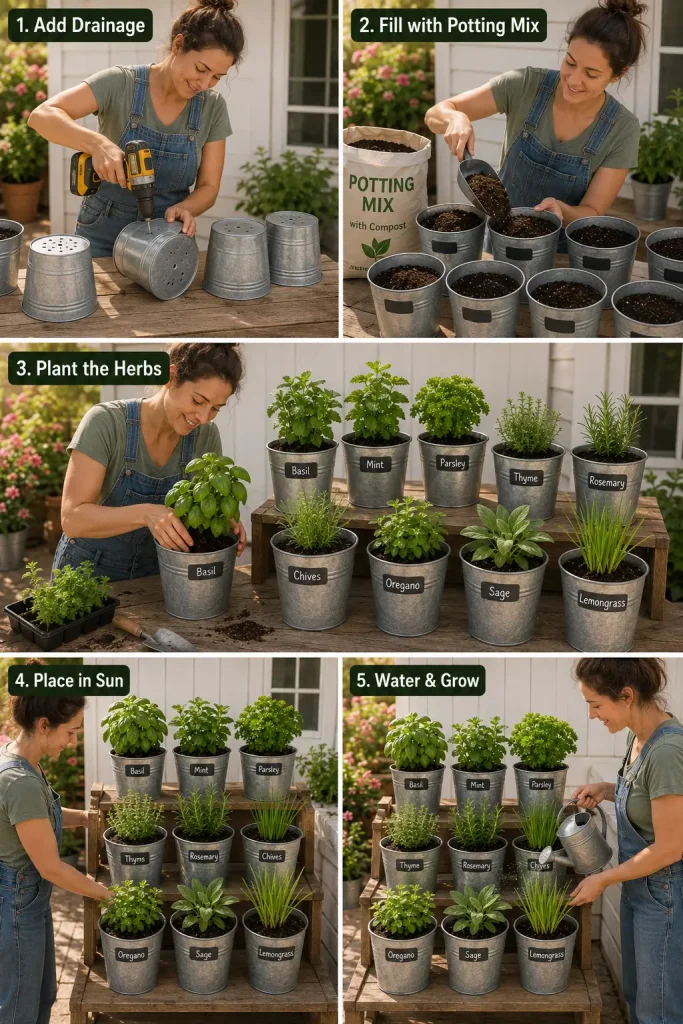
If you are using a regular bucket, drill several holes in the bottom before planting. A 5-gallon bucket should have at least 6 to 10 drainage holes. You can also add a few holes around the lower sides if the bucket will sit outside in rainy weather.
Use potting mix, not heavy garden soil. Garden soil can compact inside containers and hold too much water. A good potting mix stays lighter and drains better.
If the bucket sits on a patio, use a saucer only if needed, but do not let the bucket sit in standing water for long periods.
Best Placement for Bucket Herbs
Most herbs need sun, but not all herbs want the same amount of heat.
For strong summer growth, place sun-loving herbs where they receive about 6 hours of sun per day. Basil, rosemary, thyme, oregano, sage, and lemongrass usually need bright light to grow well.
Mint, parsley, and chives can handle some afternoon shade, especially in hot climates. If your summers are intense, morning sun with afternoon shade can help keep these herbs from wilting or turning stressed.
Good places for herb buckets include:
- Sunny patio
- Balcony with good light
- Front porch steps
- Deck edge
- Along a garden path
- Near the kitchen door
- Small backyard corner
- Raised bed edge
- Greenhouse or sunroom with ventilation
Avoid placing herbs where reflected heat from concrete, brick, or metal makes the containers too hot. Buckets can heat up quickly in July.
9 Herbs to Grow in Buckets This July
1. Basil
Basil is one of the best herbs to grow in summer buckets. It loves warm weather and grows quickly when watered consistently.
Place basil in full sun or morning sun with light afternoon shade in very hot climates. Keep the soil evenly moist but not soggy.
Pinch off the top leaves often to encourage bushy growth. Remove flower buds when they appear if you want the plant to keep producing tender leaves.
Basil is excellent for pasta, pesto, tomato dishes, salads, sandwiches, and summer sauces.
2. Mint
Mint is perfect for a bucket because it spreads aggressively in the ground. Growing it in its own container keeps it from taking over the garden.
Mint prefers consistent moisture and can tolerate partial sun. In very hot areas, it often does better with morning sun and afternoon shade.
Do not plant mint in the same bucket with smaller herbs because it can crowd them out. Give mint its own container.
Use mint for tea, lemonade, fruit salads, sauces, and summer drinks.
3. Parsley
Parsley is a useful herb for summer cooking and grows well in containers. It can handle sun, but in hot July weather, it may appreciate some afternoon shade.
Keep parsley evenly watered. If it dries out too often, it can become stressed and less productive.
Flat-leaf parsley is often preferred for cooking because it has strong flavor, while curly parsley works well as a garnish.
Harvest outer stems first so the plant can continue growing from the center.
4. Thyme
Thyme is a compact herb that works well in buckets, especially if you want a low-maintenance plant. It prefers full sun and well-drained soil.
Do not overwater thyme. Let the top layer of soil dry before watering again.
Thyme is useful for roasted vegetables, soups, marinades, chicken, potatoes, and herb blends.
Because thyme stays smaller than many herbs, it can grow in a smaller bucket, but drainage must be excellent.
5. Rosemary
Rosemary is a strong, woody herb that grows well in containers if it gets enough sun and drainage. It prefers drier conditions than basil or parsley.
Use a larger bucket for rosemary because it can become a small shrub over time. A 3 to 5 gallon container is a good starting size.
Water deeply, then let the soil dry somewhat before watering again. Rosemary does not like constantly wet roots.
It is excellent for roasted potatoes, bread, grilled vegetables, marinades, and Mediterranean-style dishes.
6. Chives
Chives are easy to grow in buckets and do not need much space. Their thin green leaves add a mild onion flavor to food.
They grow well in sun to partial sun and can tolerate container growing nicely. Keep them watered during hot weather, but do not keep the soil soggy.
Harvest by cutting leaves near the base with scissors. Chives can be used for eggs, potatoes, salads, soups, dips, and herb butter.
The purple flowers are also attractive and can support pollinators if allowed to bloom.
7. Oregano
Oregano is a heat-loving herb that grows well in sunny containers. It prefers well-drained soil and does not like being overwatered.
Place oregano in a bright sunny spot and trim it regularly to keep it bushy. If it flowers, the leaves may become stronger or slightly less tender, so harvest often for the best kitchen use.
Oregano is useful for pizza, pasta sauce, roasted vegetables, grilled meats, and salad dressings.
It can spread, so a bucket helps keep it contained.
8. Sage
Sage is a sturdy herb that handles heat and sun well once established. It has soft gray-green leaves and a strong earthy flavor.
Grow sage in a bucket with excellent drainage. Like rosemary and thyme, it does not like soggy soil.
Sage works well with roasted vegetables, poultry, stuffing, beans, and savory sauces.
Give sage enough room to grow. A 2 to 3 gallon container can work for a young plant, but a larger container is better as it matures.
9. Lemongrass
Lemongrass is a warm-season herb that grows beautifully in containers during summer. It has tall grassy leaves and a fresh lemony flavor.
Because lemongrass can become large, use a bigger bucket, ideally 5 gallons or more. Place it in full sun and keep the soil consistently moist but not waterlogged.
Lemongrass is useful for teas, soups, curries, marinades, and fragrant garden texture.
In colder climates, lemongrass is usually treated as an annual or brought indoors before frost.
How to Plant Herbs in Buckets
Start by choosing clean buckets with drainage holes. If the buckets are reused, wash them well before planting.
Fill each bucket with quality potting mix. You can mix in a small amount of compost for added organic matter, but do not use heavy garden soil.
Plant each herb at the same depth it was growing in its nursery pot. Firm the soil gently around the roots, then water well.
Add a plant label to each bucket. Many young herbs can look similar at first, and labels make harvesting easier.
Place the buckets in their final growing spot and watch them for the first few days. If plants wilt badly in afternoon sun, move them where they get morning sun and afternoon shade.
Should You Plant Herbs Together or Separately?
Some herbs can share larger containers, but buckets are often easier when each herb has its own space.
Mint should always be grown alone because it spreads quickly and can crowd out other herbs.
Rosemary, thyme, oregano, and sage can sometimes grow together because they prefer sun and well-drained soil. However, they still need enough room.
Basil and parsley need more consistent moisture than rosemary and thyme, so they are not always the best container partners.
Lemongrass should usually have its own large bucket because it grows tall and wide.
For beginners, the easiest method is one herb per bucket. This makes watering and care simpler.
Watering Herbs in Summer Heat
Bucket herbs dry out faster than herbs planted in the ground. In July, check the soil often.
Push your finger about 1 inch into the soil. If it feels dry, water. If it still feels moist, wait.
Basil, parsley, mint, chives, and lemongrass need more consistent moisture.
Rosemary, thyme, oregano, and sage prefer to dry slightly between waterings.
Water deeply until water drains from the bottom of the bucket. Shallow watering can leave roots dry.
Try to water at soil level instead of soaking the leaves, especially in humid weather.
Fertilizing Bucket Herbs
Herbs usually do not need heavy feeding, but container plants may need some nutrients because watering can wash nutrients out over time.
Use compost, diluted liquid fertilizer, or a slow-release organic fertilizer if the plants look pale or slow-growing.
Avoid too much fertilizer, especially high-nitrogen fertilizer. It can make herbs grow fast but with weaker flavor or softer growth.
Mediterranean herbs like rosemary, thyme, oregano, and sage usually need less fertilizer than basil or parsley.
Harvesting Tips
Harvest herbs regularly to encourage fresh growth.
For basil, pinch the tops just above a pair of leaves. This helps the plant branch out.
For mint, cut stems back regularly to keep it full.
For parsley, harvest outer stems first.
For chives, snip leaves near the base.
For rosemary, thyme, oregano, and sage, cut small sprigs as needed, but avoid removing too much at once from young plants.
For lemongrass, harvest outer stalks when they become thick enough to use.
Regular harvesting keeps the bucket garden productive and tidy.
Common Mistakes to Avoid
Using Buckets Without Drainage
This is the biggest mistake. Herbs need drainage or roots can rot.
Planting Mint With Other Herbs
Mint spreads fast and can take over. Keep it in its own bucket.
Overwatering Rosemary, Thyme, Oregano, and Sage
These herbs prefer well-drained soil. Too much water can weaken or kill them.
Letting Basil Flower Too Early
Once basil flowers, leaf production can slow. Pinch flower buds to keep it bushy.
Placing Herbs in Too Much Shade
Most herbs need bright light. If they become leggy or weak, move them to a sunnier spot.
Forgetting That Buckets Heat Up
Metal or dark plastic containers can become hot in July. Move plants if the roots are overheating or the soil dries too fast.
Crowding Too Many Herbs Together
A crowded bucket dries unevenly, reduces airflow, and makes harvesting harder. Give each herb room.
Best Bucket Herb Garden Layout
For a patio or balcony, place taller herbs like rosemary and lemongrass toward the back. Keep frequently used herbs like basil, parsley, chives, and mint near the front where they are easy to clip.
Group herbs by water needs:
Moisture-loving herbs:
- Basil
- Mint
- Parsley
- Chives
- Lemongrass
Drier herbs:
- Rosemary
- Thyme
- Oregano
- Sage
This makes watering easier and helps prevent overwatering herbs that prefer drier soil.
FAQ
Can I grow herbs in buckets?
Yes. Many herbs grow well in buckets as long as the containers have drainage holes, quality potting mix, and enough sunlight.
What size bucket is best for herbs?
Most herbs grow well in 2 to 5 gallon buckets. Larger herbs like rosemary and lemongrass do better in bigger containers.
What herbs grow best in buckets in July?
Good July bucket herbs include basil, mint, parsley, thyme, rosemary, chives, oregano, sage, and lemongrass.
Does mint need its own container?
Yes. Mint spreads aggressively and is best grown in its own bucket so it does not crowd out other herbs.
How often should I water herbs in buckets?
Check daily during hot weather. Water when the top inch of soil feels dry. Some herbs, like basil and mint, need more moisture than rosemary and thyme.
Do herbs in buckets need full sun?
Most herbs need at least 6 hours of sun, but some appreciate afternoon shade in hot climates. Basil, rosemary, oregano, thyme, sage, and lemongrass need bright light.
Can I grow herbs on a balcony?
Yes. Herbs can grow well on balconies if they receive enough light, have drainage, and are protected from extreme heat or strong wind.
Can I plant multiple herbs in one bucket?
You can, but it is often easier to grow one herb per bucket. If combining herbs, group plants with similar water and sun needs.
Conclusion
A productive summer herb garden does not need much space. With a few simple buckets, good drainage, quality potting mix, and the right placement, you can grow fresh herbs on a patio, balcony, porch, deck, or small backyard.
Basil, mint, parsley, thyme, rosemary, chives, oregano, sage, and lemongrass are all useful herbs to grow in buckets during July. Just remember that each herb has different needs. Mint needs its own container, rosemary and thyme need excellent drainage, and basil needs steady moisture and regular harvesting.
Set up your buckets well, water carefully in summer heat, and you can enjoy fresh herbs right outside your door all season.
You May Also Like
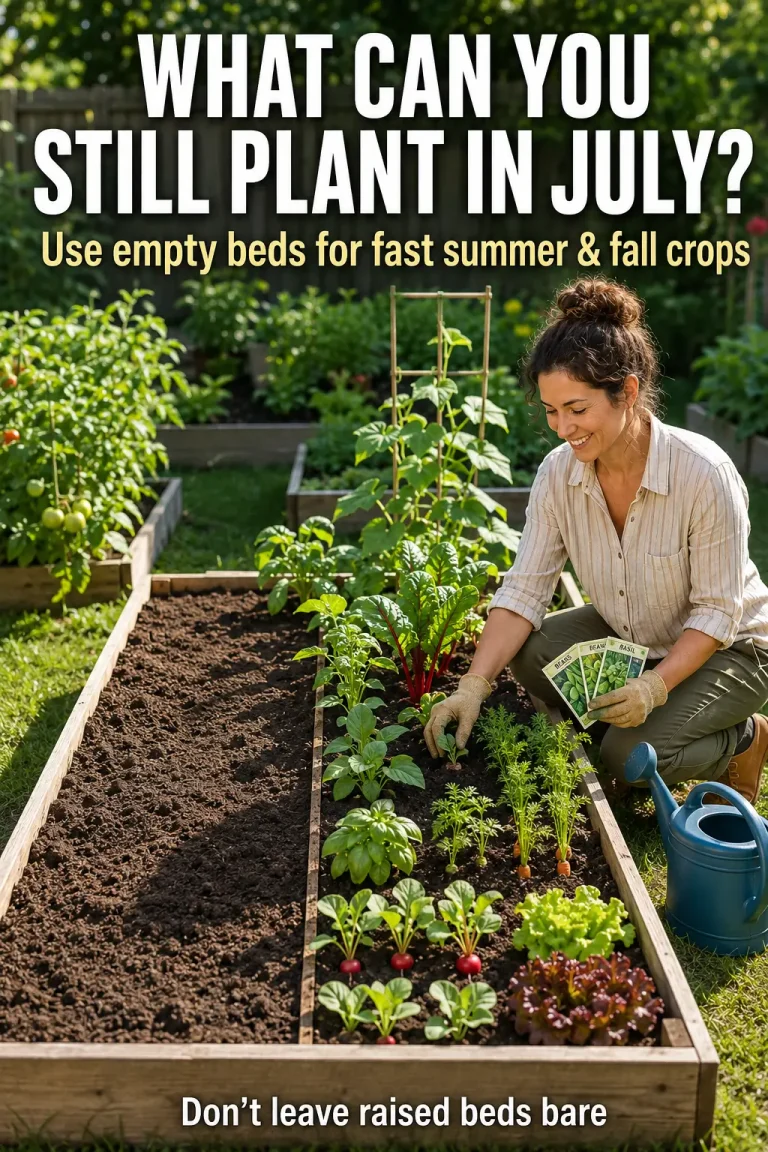 What Can You Still Plant in July? Smart Crops for Empty Garden Beds
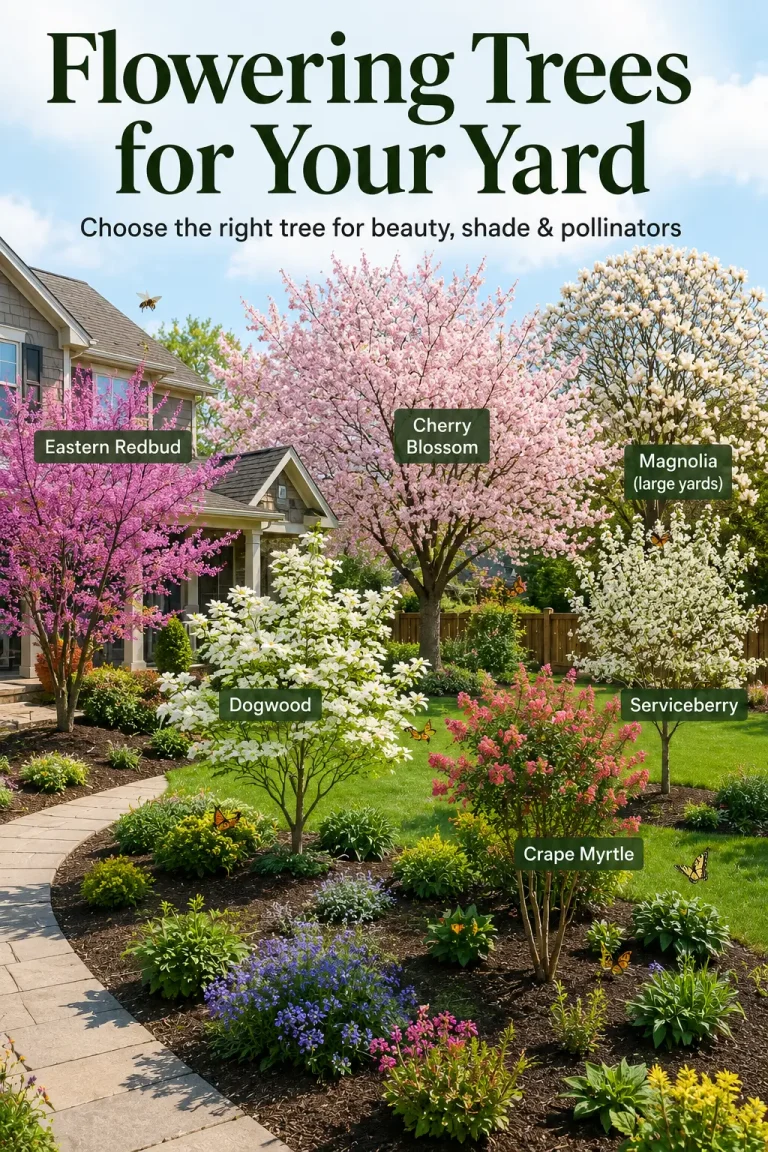 Flowering Trees That Beautify Your Yard: How to Choose the Right One for Your Space
 8 Companion Plants That Help Roses Grow Healthier and Look More Beautiful
 Why Master Gardeners Are Using Vinegar to Unlock Eggshell Fertilizer
 Companion Plants That May Help Reduce Garden Pests Naturally
 What Herbs Can Be Planted Together? A Practical Companion Planting Guide