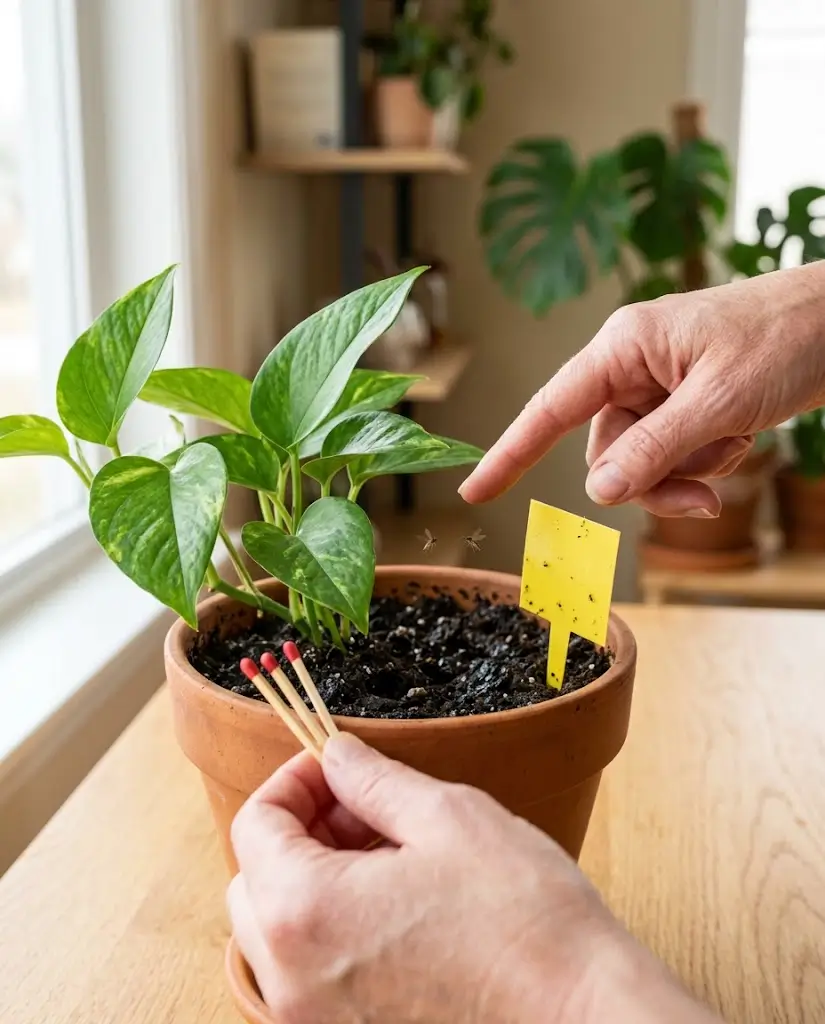
Tiny flies lifting from a houseplant whenever you water can quickly become frustrating. These insects are often fungus gnats—small, dark flies that reproduce in moist potting mix.
A popular online remedy recommends pushing matchsticks into the soil. However, matchsticks are not a dependable fungus gnat larvae treatment, and they do not correct the damp conditions that allow the infestation to continue.
The most effective approach is usually a combination of moisture management, yellow sticky traps for the adults, and an appropriately labeled treatment for larvae when needed. Because several life stages can exist in the pot at the same time, control often requires patience and repeated monitoring.
Why Tiny Flies Rise When You Water
Fungus gnat adults often rest on the soil surface, around the pot rim, or beneath the plant canopy. Watering, moving the pot, or disturbing the soil can cause them to fly upward, making the infestation suddenly more noticeable.
The adults are mainly a nuisance. They do not bite, and they do not feed on houseplant roots. It is the larvae living in the potting mix that may sometimes feed on tender roots, particularly when their numbers are high or plants are young and vulnerable. Fungus gnat larvae also feed on fungi, algae, decaying organic material, and other material in moist growing media.
Seeing several flies after watering does not necessarily mean they appeared overnight. They may have already been living and reproducing in the container.
How to Confirm They Are Fungus Gnats
Before choosing a treatment, make sure the tiny flies around your houseplants are actually fungus gnats.
Adult fungus gnats are usually:
- Approximately 1/8 inch long
- Dark gray or black
- Delicate and mosquito-like
- Long-legged, with relatively long antennae
- Commonly seen walking across potting soil or flying close to plants
They are frequently confused with fruit flies. Fruit flies are more commonly associated with fermenting fruit, food waste, drains, and sugary residue. Fungus gnats are strongly associated with moist potting mix and are often most active near the soil.
The larvae are much harder to notice. They are small, translucent, wormlike organisms with dark head capsules. They usually live in the upper portion of the growing medium, where moisture and organic material are readily available.
A yellow sticky card placed close to the soil can help confirm the presence of small flying pests. However, examine the insects carefully because sticky cards may also catch whiteflies, thrips, winged aphids, and other insects.
Why Fungus Gnats Keep Returning
One reason fungus gnats seem difficult to eliminate is that several life stages may be present in the same pot:
- Adults fly around the plant and lay eggs in moist growing media.
- Eggs remain in the potting mix.
- Larvae hatch and feed within the mix.
- Larvae become pupae.
- New adults emerge and begin the cycle again.
Catching the visible adults can reduce egg-laying, but it does not automatically kill the eggs, larvae, or pupae already in the container.
Likewise, a larval treatment does not necessarily remove every adult already flying around the room. This is why a combined approach is more dependable than relying on one home remedy.
Continually damp potting mix makes the cycle easier to maintain. Fungus gnats are especially common in growing media that remain wet for long periods, including pots with poor drainage, oversized containers, water-filled saucers, or plants watered more frequently than their roots can use.
Do Matchsticks Kill Fungus Gnats?
The claim behind matchsticks for fungus gnats is that placing matches head-first in the soil releases substances that kill the larvae.
This method should not be considered a reliable fungus gnat control strategy.
A matchstick is not a registered biological control product, and pushing matches into the pot does not correct the excessive moisture or poor drainage supporting the infestation. It also provides no dependable way to measure what enters the soil or how the plant’s roots and soil microorganisms may respond.
Matchsticks should not be described as:
- A biological pesticide
- An instant larval treatment
- A guaranteed source of plant-safe sulfur
- A substitute for correcting watering and drainage
- A permanent solution for fungus gnats
A few adults may disappear while someone is testing the method, but natural population changes or altered watering can easily be mistaken for proof that the matches worked.
For consistent control, focus on the pest’s actual life cycle: reduce favorable moisture, trap adults, and use a properly labeled larval-control product when necessary.
Step One: Correct the Moisture Problem
Moisture management is the foundation of fungus gnat control.
Before watering, inspect the upper layer of potting mix rather than watering according to a fixed calendar. You can check the soil with a finger, a wooden skewer, or the weight of the pot.
Allow the upper portion of the mix to dry to a level that is appropriate for the plant before watering again. Colorado State University Extension identifies drying the growing medium between waterings as an important fungus gnat control measure.
However, this advice must be adjusted for the plant species.
Drought-tolerant plants such as many succulents, snake plants, and ZZ plants can generally tolerate more drying than moisture-loving plants such as ferns, calatheas, fittonias, or some young tropical plants.
Do not allow every houseplant to become completely dry. Severe drought stress can damage fine roots, cause wilting, brown leaf edges, or make an already struggling plant less resilient.
Instead:
- Learn the moisture needs of the specific plant.
- Allow the surface layer to dry when the plant can tolerate it.
- Water thoroughly when watering is needed.
- Empty water that collects in the saucer or decorative outer pot.
- Make sure drainage holes are open.
- Avoid repeatedly adding small amounts of water to an already damp surface.
- Improve light or airflow when low light is causing soil to dry extremely slowly.
The goal is not to dehydrate the plant. The goal is to avoid keeping the fungus gnat breeding area continuously wet.
Step Two: Catch and Monitor Adults
Yellow sticky traps are useful for catching adult fungus gnats and monitoring whether the population is increasing or decreasing.
Position the trap close to the soil surface because fungus gnat adults spend much of their time near the growing medium. Small horizontal or low vertical traps attached to stakes often work better than cards placed high above the foliage.
Use traps safely:
- Keep the sticky surface away from leaves.
- Place traps where pets and children cannot touch them.
- Replace cards when they are covered with insects, soil, or dust.
- Check them regularly to compare the number of new adults.
- Use a trap in each affected pot when several plants are involved.
Yellow sticky cards can reduce the number of adult females available to lay eggs, but they do not reach the larvae already living in the soil. Colorado State University Extension recommends sticky cards under the canopy or near container edges as part of fungus gnat management.
Continue using the cards while correcting moisture and treating the growing medium. A declining weekly catch is a helpful sign that the control plan is working.
Step Three: Target the Larvae
When reducing moisture and trapping adults are not enough, the next step is to target the larvae inside the potting mix.
One established biological option is Bacillus thuringiensis subsp. israelensis, commonly abbreviated as Bti. Certain Bti products are labeled for fungus gnat larvae in houseplant or container soil.
Bti must be consumed by susceptible larvae to work. It is not the same as placing matchsticks or random sulfur-containing materials in the pot.
Product formulations and directions vary. Some products may be granules applied to the surface and watered into the mix, while others may have different instructions. Always confirm that the product label specifically permits the intended use and follow its application rate, timing, storage, and safety directions.
Do not use a universal homemade mixing ratio copied from social media. A ratio that appears in one post may not match the concentration, formulation, pot size, plant, or label of the product you purchased.
An EPA-approved label for one Bti product directs users to apply it to the soil, water normally to release the Bti, and repeat according to that product’s directions. This illustrates why the actual label—not a general online recipe—must guide application.
Other biological controls, such as products containing the beneficial nematode Steinernema feltiae, may also be labeled for fungus gnat larvae. Availability and suitability vary, so follow supplier storage and application instructions carefully.
Never assume that every mosquito-control product is automatically suitable for indoor houseplant soil. Check the exact label.
When to Replace the Potting Mix
Repotting is not always necessary for a mild infestation. Many fungus gnat problems can be managed by changing watering practices, catching adults, and targeting larvae.
Repotting may be helpful when:
- The mix remains wet for an unusually long time.
- The pot has no functional drainage holes.
- The medium has collapsed and become dense or airless.
- There is a sour smell or evidence of root rot.
- Algae, mold, or decaying material repeatedly covers the surface.
- The infestation remains severe despite consistent treatment.
- The plant was potted in unsuitable or contaminated material.
Choose a clean container with working drainage holes and a fresh potting medium appropriate for the plant. Avoid using outdoor garden soil in indoor pots because it can compact badly and may introduce pests or pathogens.
When repotting:
- Remove the plant carefully.
- Inspect the roots.
- Trim only roots that are clearly soft, rotten, or dead, using clean tools.
- Wash and clean a reusable pot before refilling it.
- Repot at approximately the previous depth.
- Avoid moving a small root system into a much larger pot.
- Water according to the plant’s needs rather than automatically keeping the new mix wet.
Repotting with fresh medium in a clean container is recognized as one possible control measure for soil-associated houseplant pests.
How Long Does Fungus Gnat Treatment Take?
Fungus gnat control is rarely immediate because adults, eggs, larvae, and pupae may overlap.
You may still see adults after beginning treatment because pupae already present in the pot can continue developing and emerge later. Sticky cards may initially catch many flies before the numbers begin to decrease.
Plan to monitor the plants for several weeks rather than expecting one watering or one trap to end the problem permanently. Some labeled products also require repeated applications to reach larvae that hatch after the first treatment.
During this period:
- Continue checking soil moisture before watering.
- Keep sticky traps near the affected pots.
- Follow the full label schedule for any treatment.
- Inspect nearby plants.
- Record trap catches weekly if the infestation is difficult to judge.
- Avoid moving affected potting mix near uninfested plants.
A few remaining adults do not necessarily mean the treatment has failed. Look for a steady reduction rather than expecting every insect to disappear at once.
How to Prevent Fungus Gnats From Returning
Prevention focuses on keeping potting conditions healthy rather than trying to create completely sterile soil.
Water according to the plant
Check the soil before watering. Adjust frequency for the season, light level, container size, temperature, and plant species.
Plants generally use water more slowly during periods of low light or reduced winter growth.
Use pots with drainage
Every standard houseplant container should have functional drainage unless it is being used only as an outer decorative cover pot.
Never allow the inner nursery pot to remain standing in collected water.
Select suitable potting mix
Use a fresh, well-draining medium designed for the plant. A mix suitable for a fern will be different from one suitable for a cactus.
Store opened potting mix in a dry, protected container rather than leaving it exposed outdoors.
Remove decaying material
Clear fallen leaves, dead flowers, and plant debris from the soil surface. These materials can retain moisture and provide additional organic matter for fungi and larvae.
Inspect new plants
Check the soil surface and pot rim before bringing a plant into the main collection. When practical, isolate new plants for one or two weeks and monitor them for pest activity. University of Minnesota Extension recommends isolating new houseplants so hidden pest problems have time to become visible.
Keep monitoring traps available
A small yellow sticky card can reveal an emerging population before dozens of adults are flying through the room.
Replace the trap periodically and investigate any sudden increase.
Common Mistakes to Avoid
Treating only the adults
Sticky traps are valuable, but larvae and pupae can remain in the pot. Combine adult trapping with moisture correction and larval control when necessary.
Overwatering during treatment
Repeatedly soaking the pot to apply home remedies may preserve the moist environment fungus gnats prefer.
Drying moisture-loving plants too aggressively
Not every houseplant should become bone-dry. Match the drying period to the plant’s actual needs.
Using an unlabeled pesticide or random concentration
Different formulations have different directions. More product is not automatically more effective and may damage the plant or create unnecessary exposure.
Blaming every yellow leaf on fungus gnats
Yellow leaves can result from overwatering, poor drainage, inadequate light, nutrient problems, temperature stress, root disease, normal leaf aging, or other pests. Fungus gnats may be present because the soil is too wet without being the main cause of the yellowing.
Expecting one treatment to be permanent
A few surviving insects, untreated nearby pots, or a return to constant soil moisture can restart the population.
FAQ
Do matchsticks kill fungus gnat larvae?
Matchsticks are not a dependable or properly measured fungus gnat larvae treatment. They should not replace moisture correction, sticky traps, or a product specifically labeled for larvae.
What is the fastest way to reduce adult fungus gnats?
Place yellow sticky traps close to the soil surface of every affected pot. The traps can immediately begin catching adults, but additional steps are needed to address the immature stages in the soil.
Can fungus gnats damage houseplants?
Adult fungus gnats do not eat roots. Larvae mainly consume fungi, algae, decaying material, and other organic matter, but they can also feed on roots. Significant plant injury is more likely with high populations, seedlings, cuttings, or already stressed plants.
Should I let the soil dry completely?
Only when the plant naturally tolerates that level of drying. For many plants, allowing the upper layer to dry is enough. Moisture-loving plants should not be severely dehydrated simply to control gnats.
Where should yellow sticky traps be placed?
Position them just above or beside the soil, under the plant canopy, without allowing the adhesive to touch the leaves.
Does Bti work against adult fungus gnats?
Bti is used to target susceptible larvae that consume it in the growing medium. Sticky traps are more appropriate for catching flying adults.
How often should Bti be applied?
Follow the instructions on the exact product label. Concentrations, formulations, intervals, and approved uses can differ, so there is no single homemade schedule that is correct for every product.
Why do fungus gnats return after I repot?
They may return if adults remain in the room, another plant is infested, the new mix stays constantly damp, or the replacement medium already contains gnats. Continue monitoring after repotting.
Will cinnamon, vinegar, or hydrogen peroxide permanently eliminate them?
Home remedies produce inconsistent results and can be misused at plant-damaging concentrations. A dependable plan focuses on proper watering, drainage, adult monitoring, and an appropriately labeled larval treatment when needed.
How long should I keep the sticky traps in place?
Keep them in place throughout treatment and for a period after captures decline. Continued monitoring can reveal newly emerging adults or a returning population.
Conclusion
Matchsticks are not a reliable answer to how to get rid of fungus gnats in houseplants. Fungus gnats persist because the flying adults are only one stage of a life cycle occurring mainly inside damp potting mix.
Start by correcting excess moisture without forcing the plant into inappropriate drought. Place yellow sticky traps near the soil to catch and monitor adults. For continuing infestations, use a properly labeled larval treatment such as an appropriate Bti product and follow its exact directions.
Repot only when the medium is persistently wet, compacted, poorly draining, or associated with root problems. With consistent moisture management and several weeks of monitoring, fungus gnat numbers can usually be reduced without damaging healthy roots.
You May Also Like
 What Can You Still Plant in July? Smart Crops for Empty Garden Beds
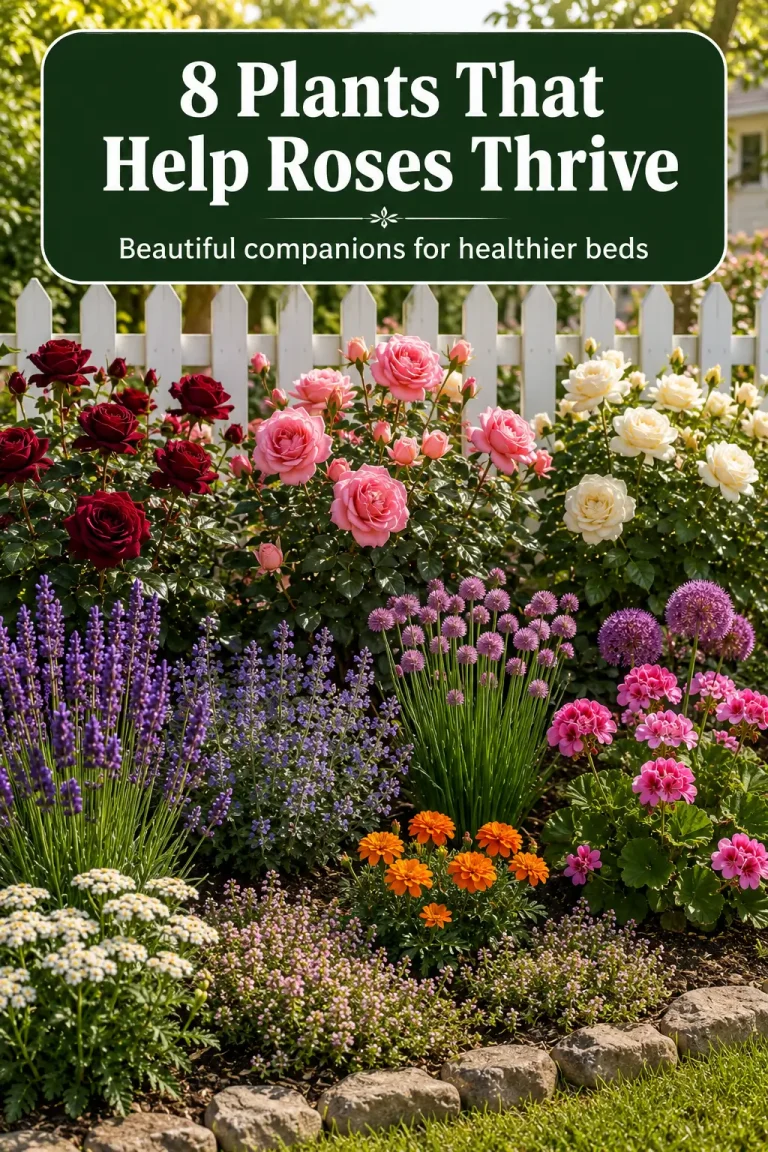 8 Companion Plants That Help Roses Grow Healthier and Look More Beautiful
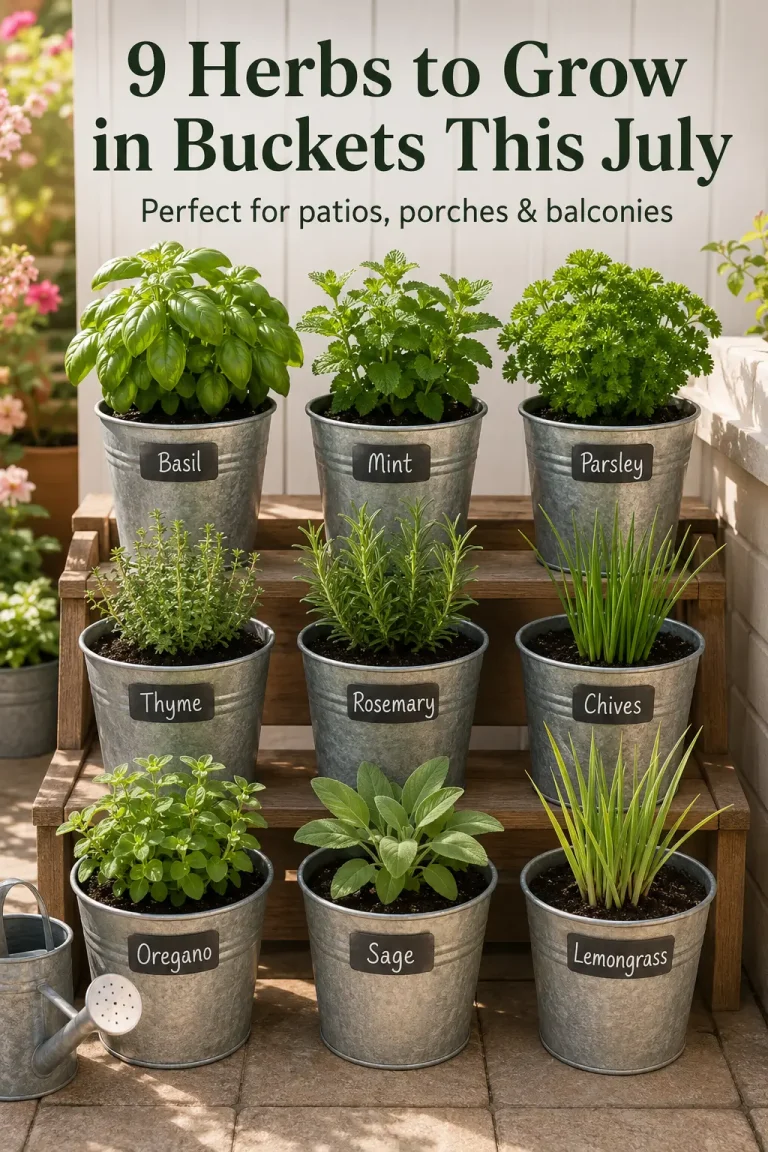 9 Herbs to Grow in Buckets This July for a Small-Space Summer Garden
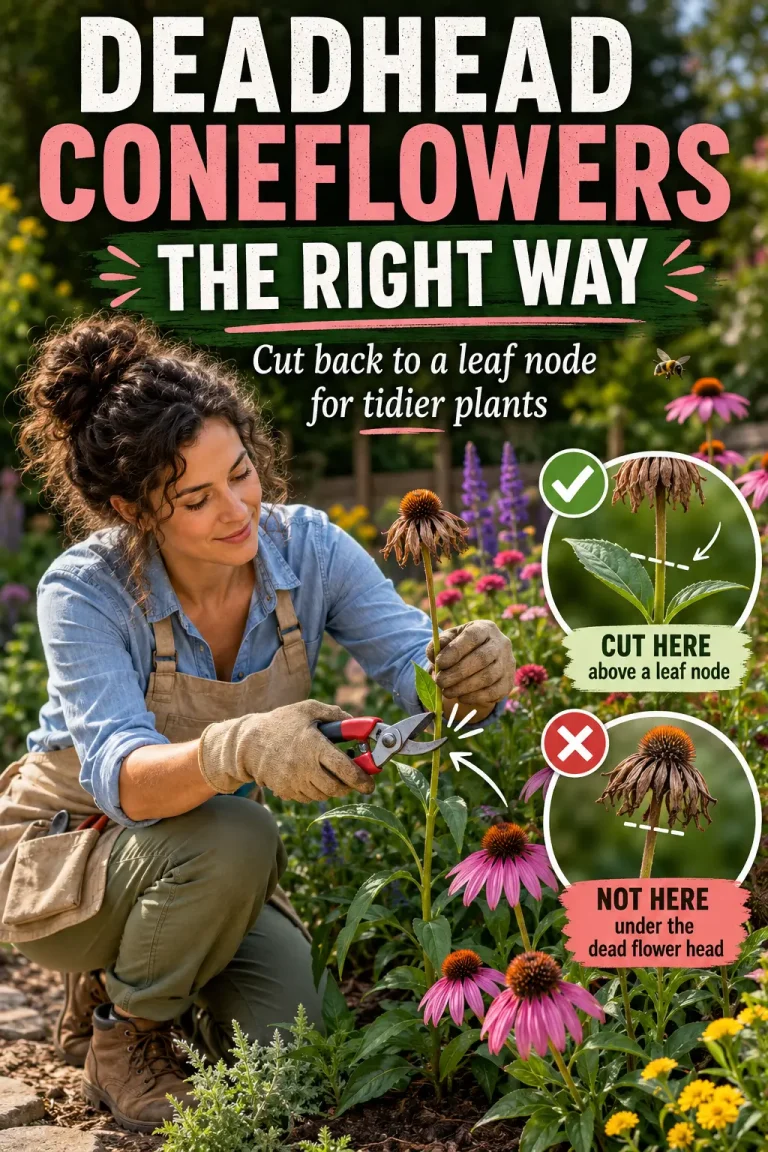 How to Deadhead Coneflowers the Right Way for Tidier Plants and More Blooms
 Companion Plants That May Help Reduce Garden Pests Naturally
 The Truth About Epsom Salt for Peppers, Tomatoes, and Roses